Dokolo Emergency Relief
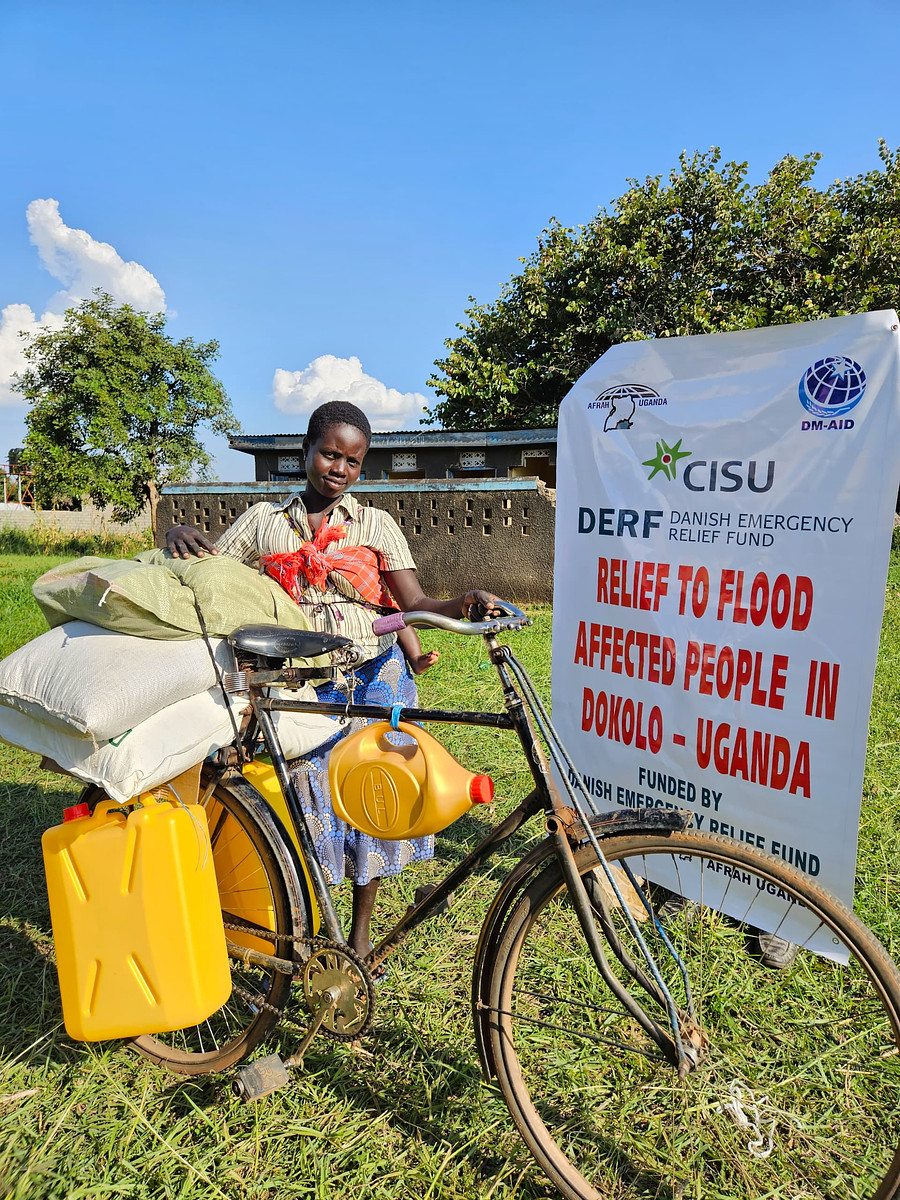
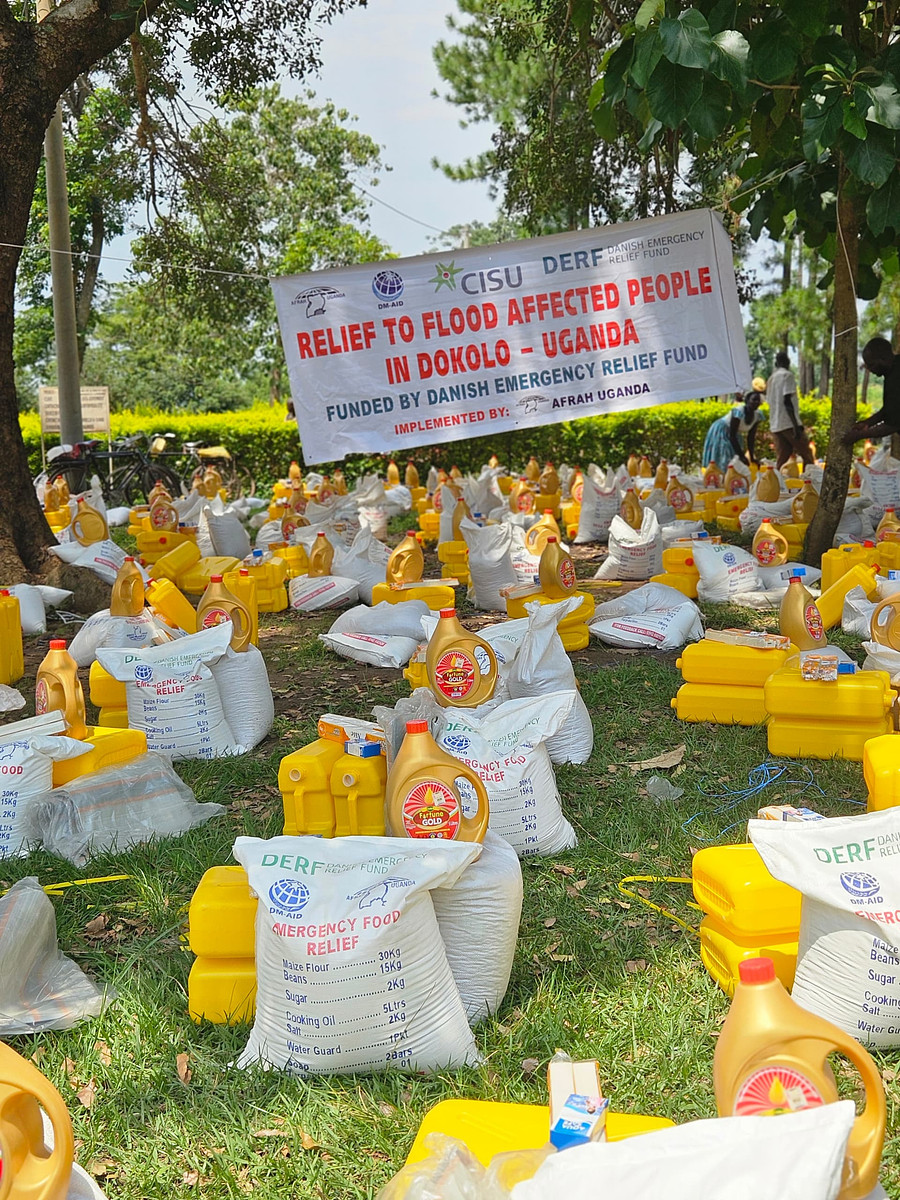
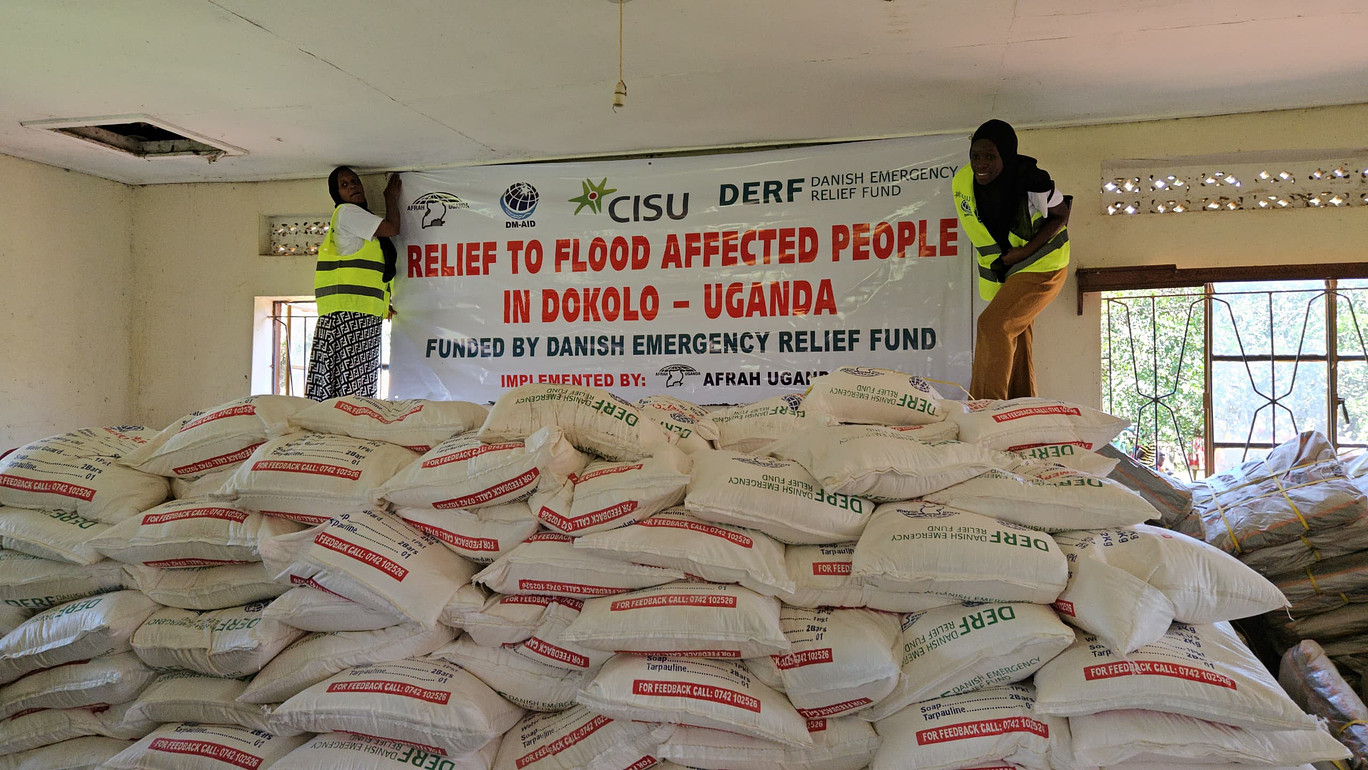
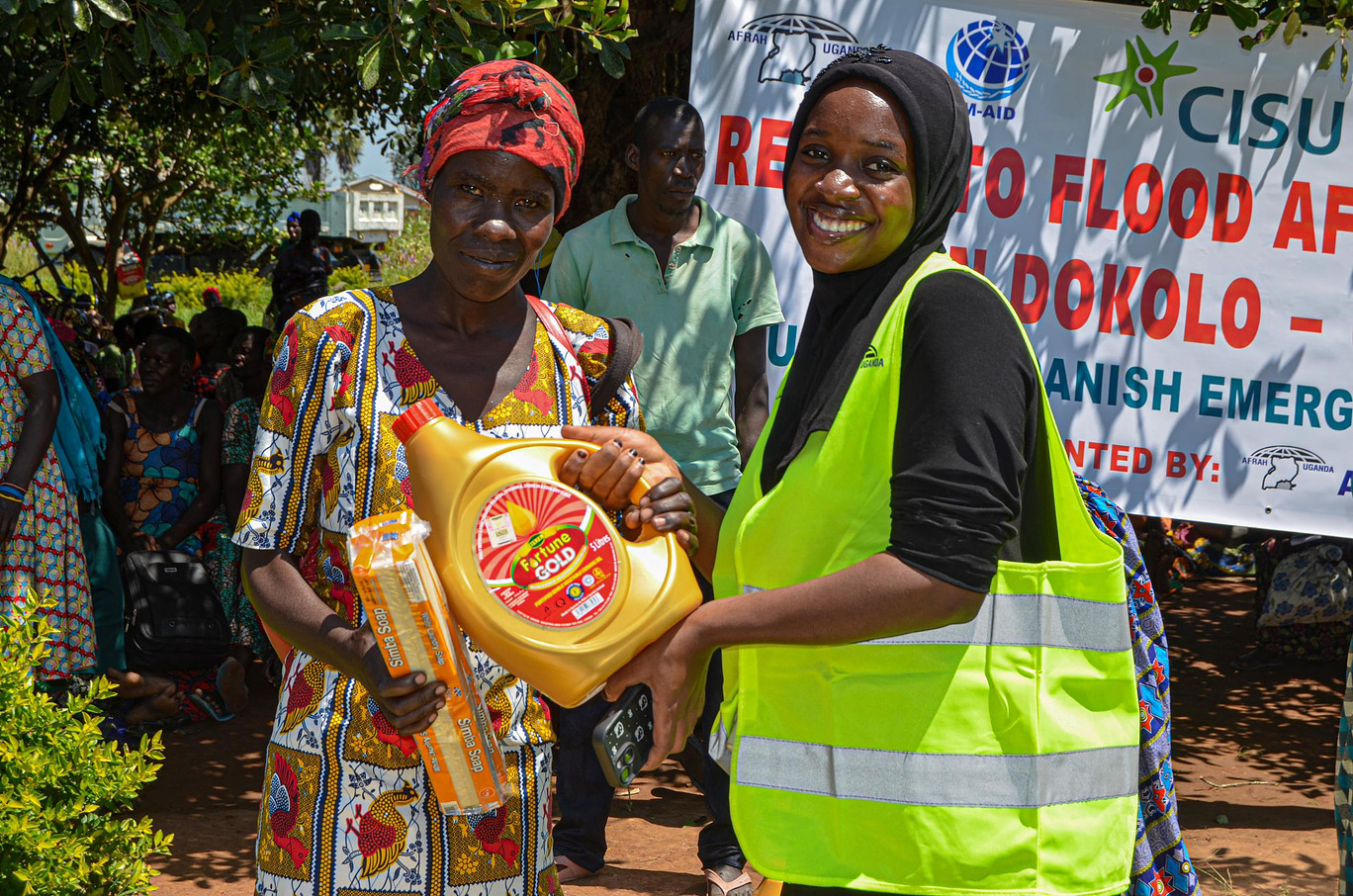
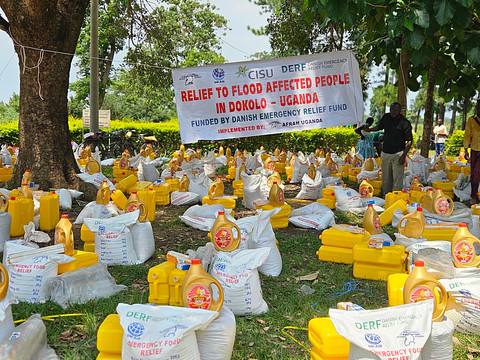
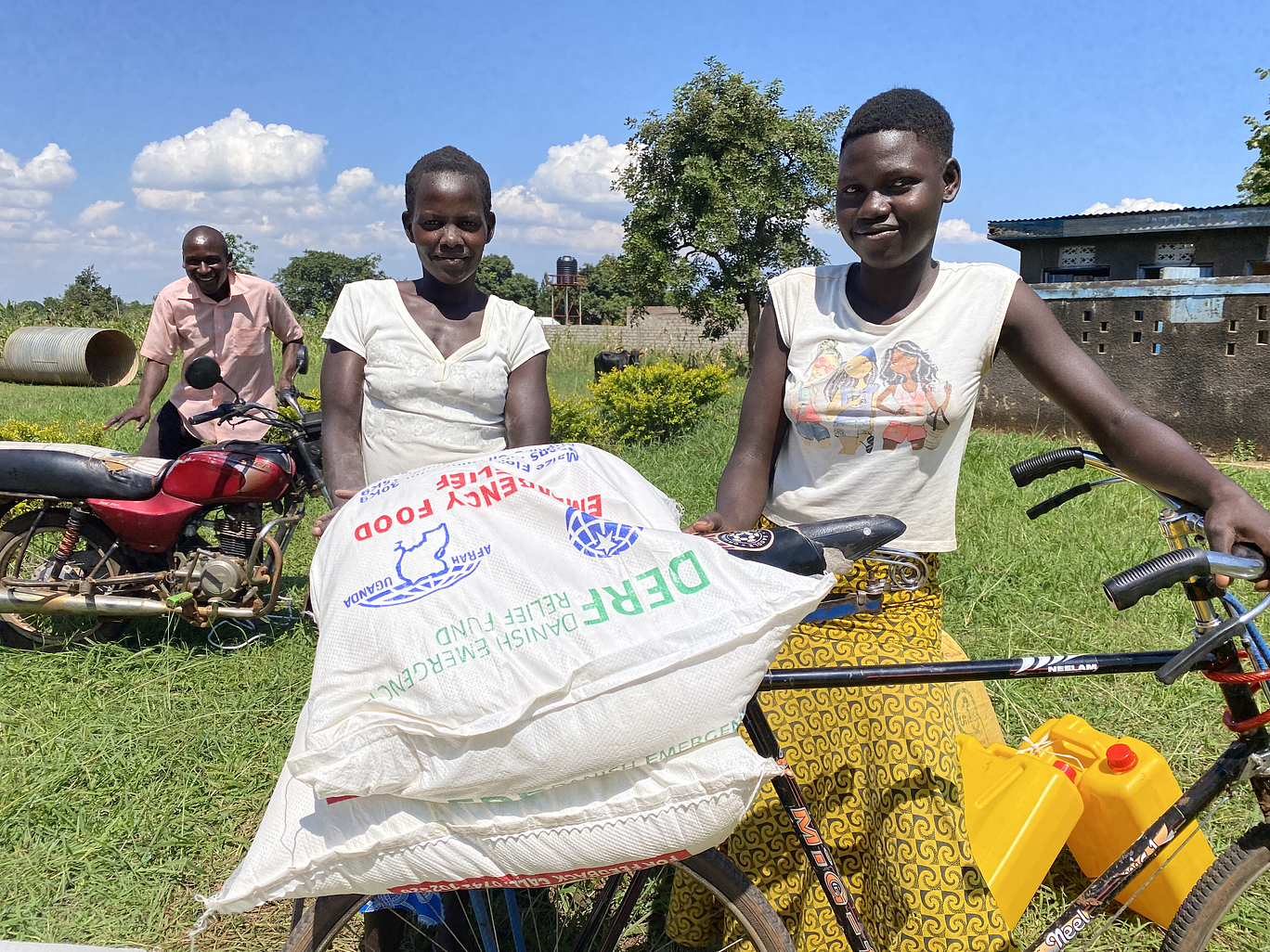
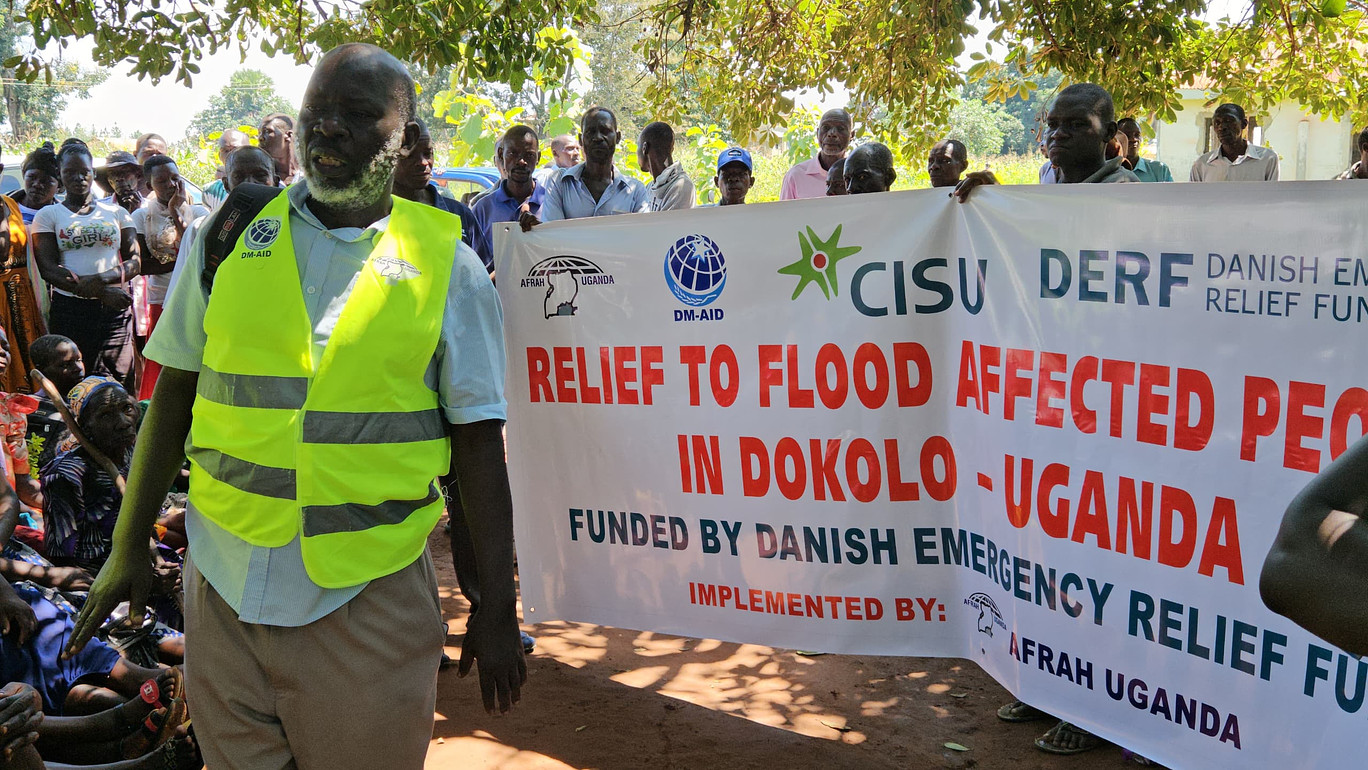
In 2024 Afrah with support from Danish Emergency Relief Fund and Danish Muslim Aid undertook a project Dokolo which focused on vulnerable people that were displace by floods.
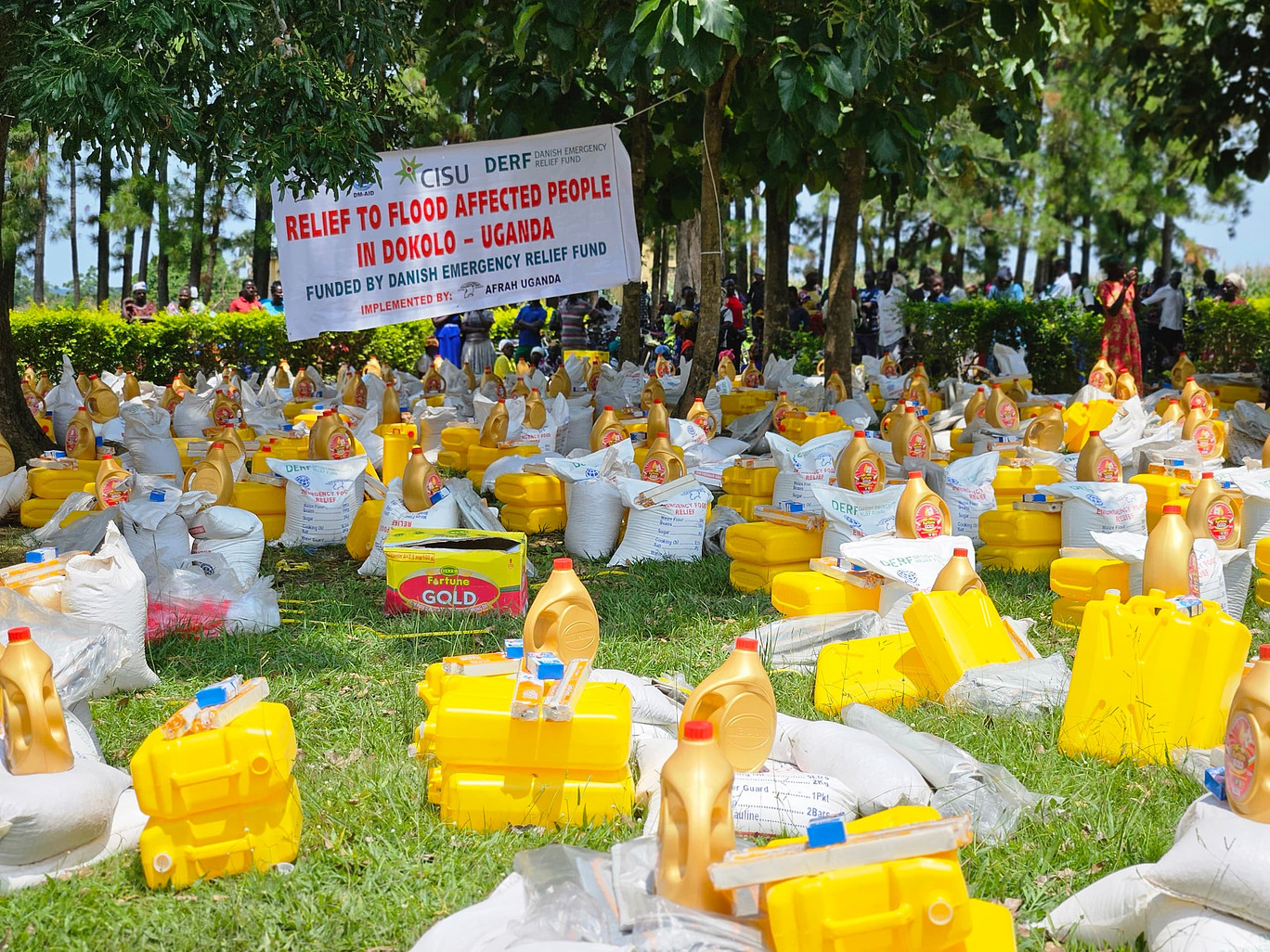
The intervention effect on the direct target population namely those who were displaced by the floods was, to stopped the deterioration of their living conditions and the outbreak of waterborne diseases by providing immediate food relief, essential non-food items, and critical WASH services. The needs of particularly vulnerable groups (female and child-headed households, the elderly, pregnant and lactating women, and people with disabilities) were met by prioritizing them when distributing the relief items. A total of 5966 individuals from 4 sub-counties of Dokolo District of Agwata, Adeknino, Kwera and Okwong-dul distributed across 36 out of 42 villages most affected by the floods benefited from the intervention. The participatory approach, involving local authorities and community members, ensured that the response was tailored to the specific needs of the affected population. This alignment with local assessments and direct feedback from the community helped the project to deliver effective and life-saving assistance.
When the call for the intervention was made, Afrah made assessment in some of the areas that were most affected by the floods. Afrah staff conducted meetings with the local leaders and some of the affected people and discussed their needs and the needs of the most vulnerable people. During the assessment prior to proposal writing, community leaders and members expressed the need for food for the flood affected people especially the poor. People had difficulty moving in water and their feet were getting rotten especially the elderly. Malaria was also rampant in the community with serious impacts on the children and the pregnant women. The effect of waterborne diseases such as diarrhoea was reported as severely affecting the poor who cannot afford to cook the water. These considerations were included in proposal to cater for the affected vulnerable people. The district Disaster Coordination Committee (DDCC) had also compiled the needs of the most vulnerable people in the affected areas which they shared with Afrah.
At the onset of the project Afrah conducted a survey in 36 villages among 1339 most affected HHs to assess their needs and identify the most vulnerable ones. 92% of the assessed HHs need immediate food relief, 40% were drinking untreated water, only 2 % were using tarpaulin , polyethylene or bags to protect their items against the floods, 47% (3460) of the total household members of 7298 from the 1339 homes had no mosquito nets . 29% (380) were female headed HHs and 9% (118) above 65 years old, total household heads above 65 years 17% (228) with some above 90 years. From assessed 1339 HHs, 1000 were considered following need and vulnerability as well as gender considerations.
Those who indicated that they had some food to survive were eliminated 7% (90), remaining with (93%) 1249 that had no food. Then all the 368 Female Headed Households were prioritized. For the remaining 632 male headed households, the elderly were then prioritized considering only above 38 years, until we had 571, then we agreed with the DDCC and sub-county chiefs and the Local councils to identify some special vulnerable HHs who may be eliminated by our criteria such as the blind, lame and those below criteria of cut off age but severely affected. At the output level the target was met, the food item packets were delivered in time to the HH and the WASH items were also delivered as planned.
( SPONSORS DANISH MUSLIM AID (DM-AID) AND CIVI L SOCIEITY IN DEVELOPMENT)