Advocacy
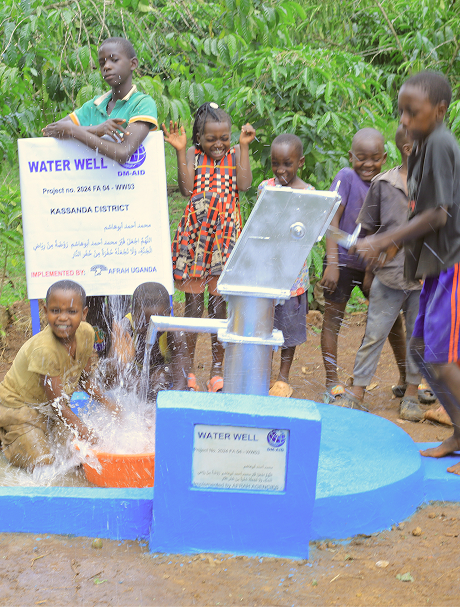
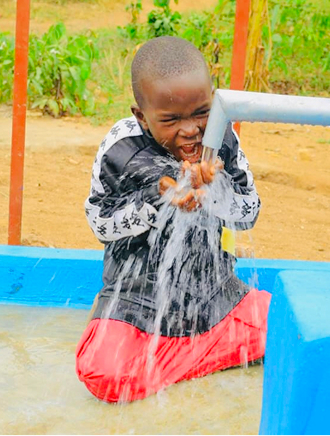
Menstrual Hygiene Advocacy
Menstrual hygiene advocacy in Afrah focuses on promoting access to safe and dignified menstrual hygiene management for all, especially girls in school and challenging the stigma surrounding menstruation in communities. This advocacy involves raising awareness, improving access to resources like sanitary products and WASH facilities, and advocating for policy changes to address period poverty and promote menstrual health. Breaking down taboos and misconceptions surrounding menstruation through education and public campaigns. Improving access to resources through Providing affordable and accessible sanitary products, clean water, and safe sanitation facilities. Advocating for policies that support menstrual health education in schools ensuring access to healthcare services. Empowering individuals by Providing education and support to menstruators to manage their periods safely and confident
Climate Change and Mitigation Advocacy
Climate change advocacy in Afrah involves promoting community support and action to address climate change, including advocating for sustainable resource use, policy changes, and empowering vulnerable communities. Through Advocacy we raises awareness about climate change and encourages individuals and communities to take action this helps to amplify the voices of those most affected by climate change and support their adaptation efforts.
The challenges of climate change are enormous and are affecting vulnerable rural communities. It is important for community members to understand the negative impacts of climate change and take action to protect their livelihoods. This will help to increase their resilience to overcome climate-related shocks. Through knowledge, skills, and implementation of Climate Smart Land use/Agriculture (CSL/A) practices, these communities can adapt and reduce the negative effects of climate change. Climate change adaptation actions are relatively new in rural areas, and therefore, require support and advocacy initiatives to spread information. Advocacy is vital to ensure that district governments provide the necessary support. Farmers are trained in advocacy initiatives and share their knowledge and experience with other farmers in their villages and beyond. The CSL/A practices and advocacy processes implemented by these farmers are well-documented models that will be shared locally and nationally.
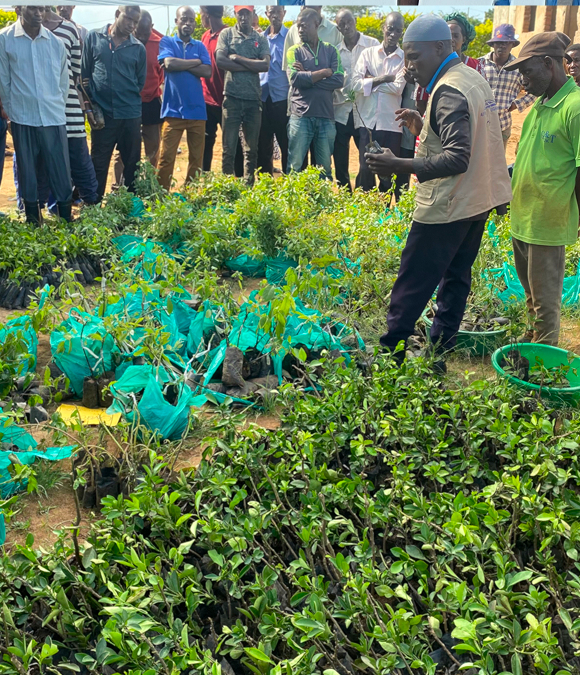
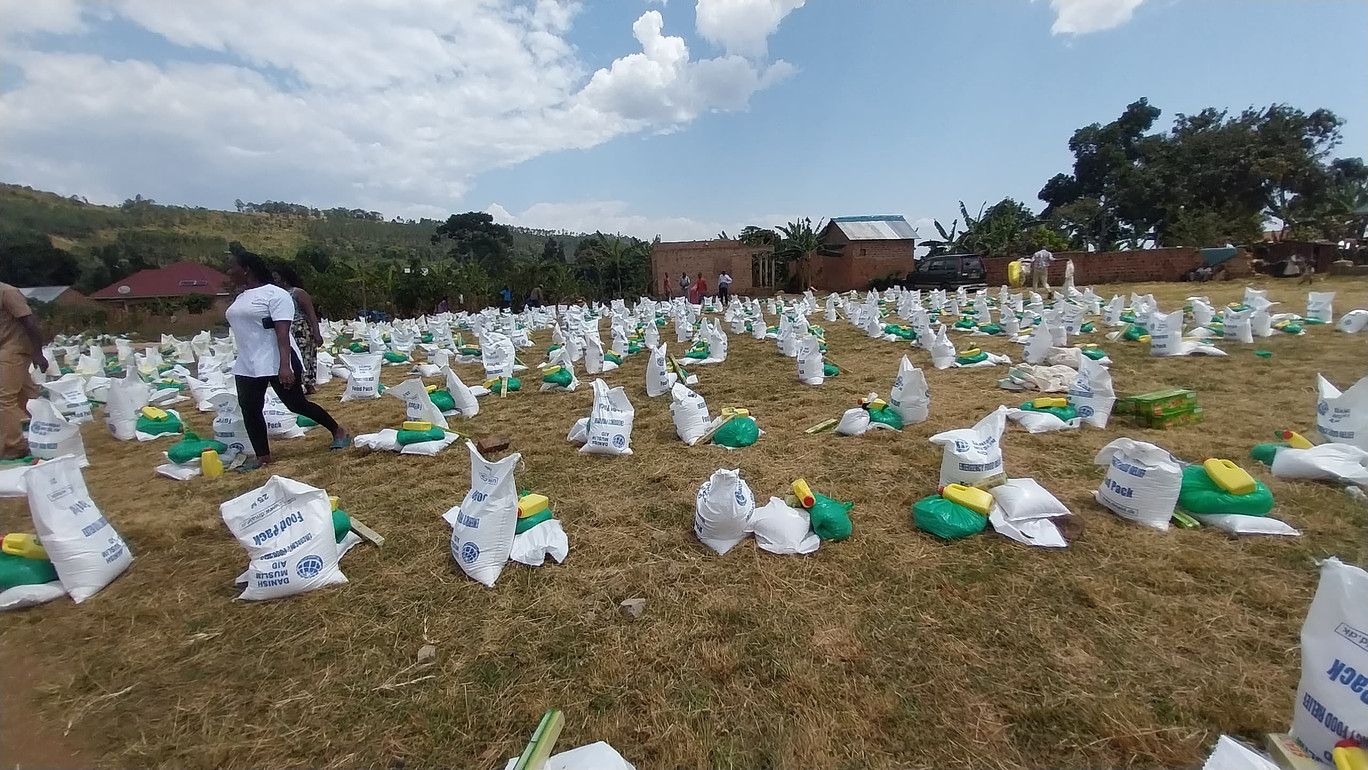
ON GOING: CLIMATE CHANGE ADVOCACY IN LWENGO
Afrah team went to lwengo to activate village advocacy groups in five village’s i.e. Kyalutwaka , Nkoma, Musubiro, lutoma and Lwenziga. During our advocacy training five people were to represent the village as their Advocacy village group. The members were supposed to meet and initiate the process of thinking about how vulnerable their village are in terms of climate change, Make the risk analysis and come up with issues that they need to address and then come up with adaptation action plan for which they are going to do advocacy.
During activation of advocacy groups all villages were visited and the members convened to craft out an advocacy action plan. They looked out the issues they can address themselves without external assistance and then looked at the issues they can advocate for because they lack the capacity to implement them.
In most of the villages the groups pointed out drought as the main issue causing hunger, shortage of water, diseases, animal death and it came out very vividly. Their advocacy action they can do within the villages by themselves: they want to sensitize others the importance of water collecting ditches so that everybody in the village is convinced about it and implement it. They promised to make meetings, make posters and move door to door to convince people that digging ditches is a very good thing for water storage.
Some other VDA have also seen using of weather data and are going to convince their fellow farmers to use weather data through continuous meeting with them