



Livelihood Development Programs
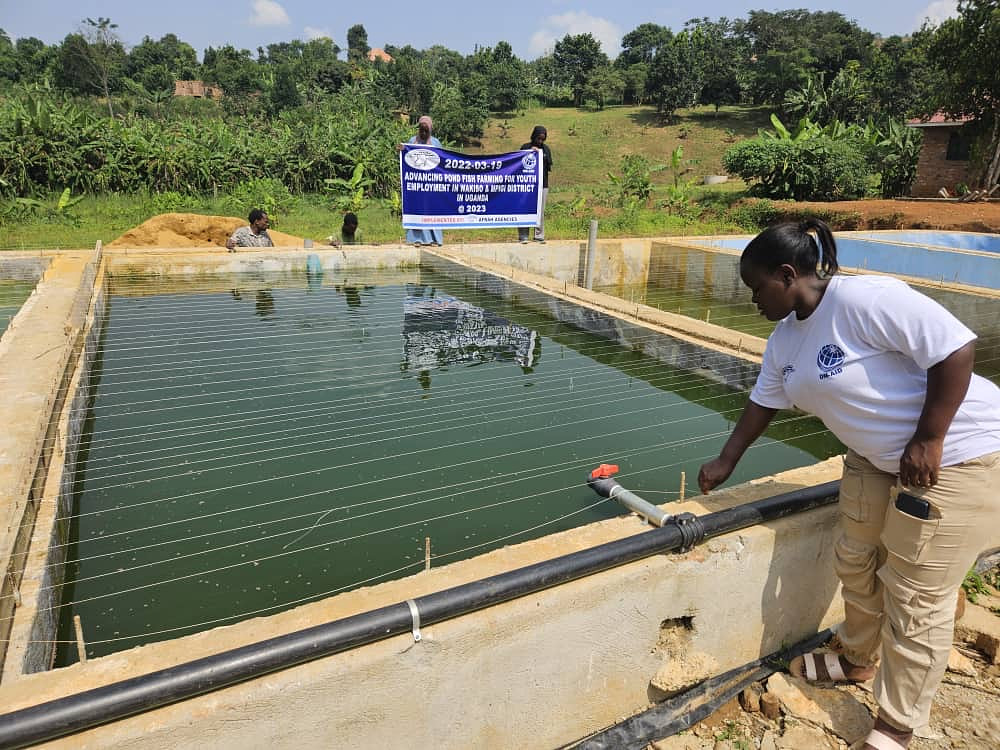
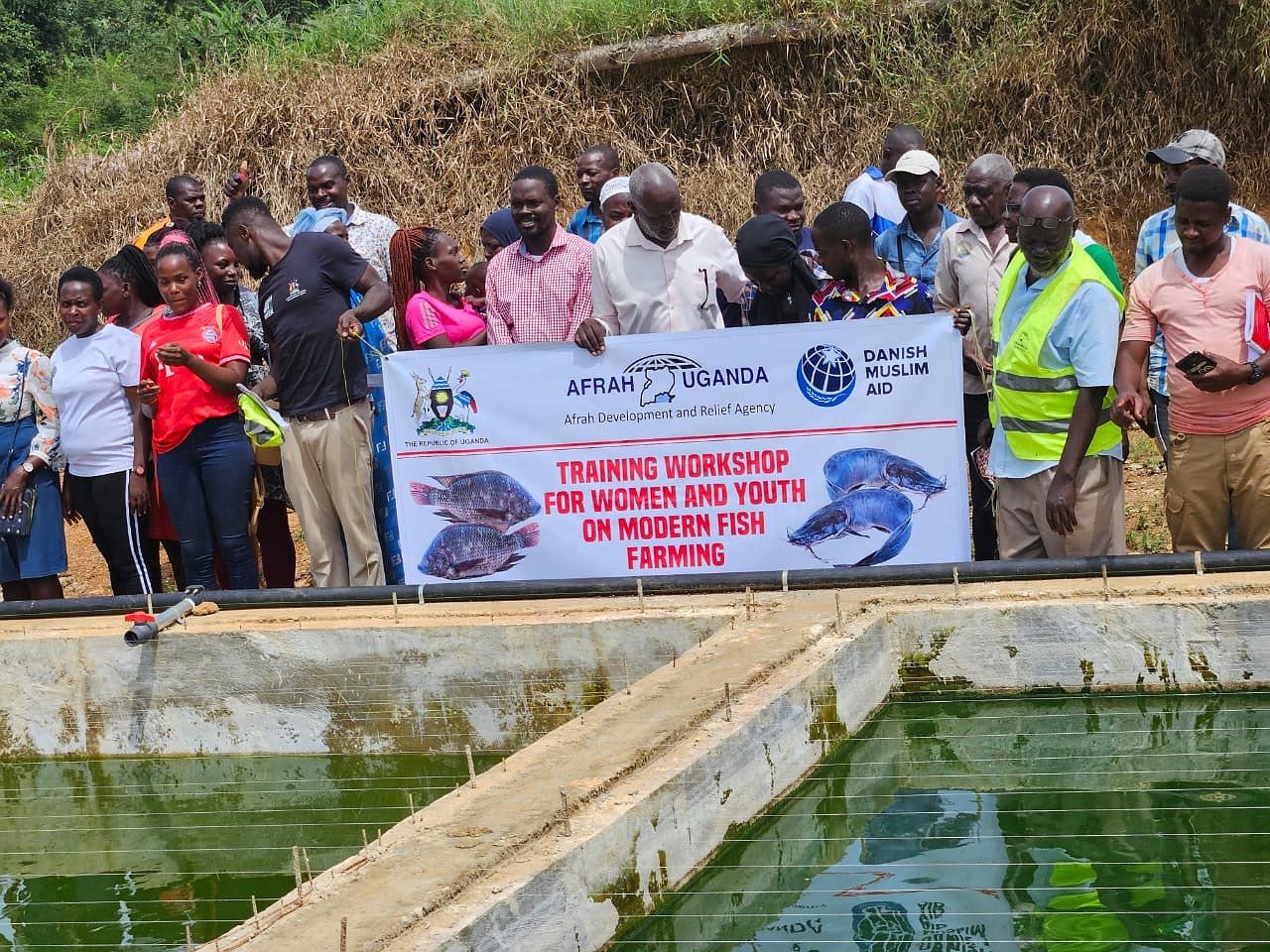
Reducing poverty through fish farming
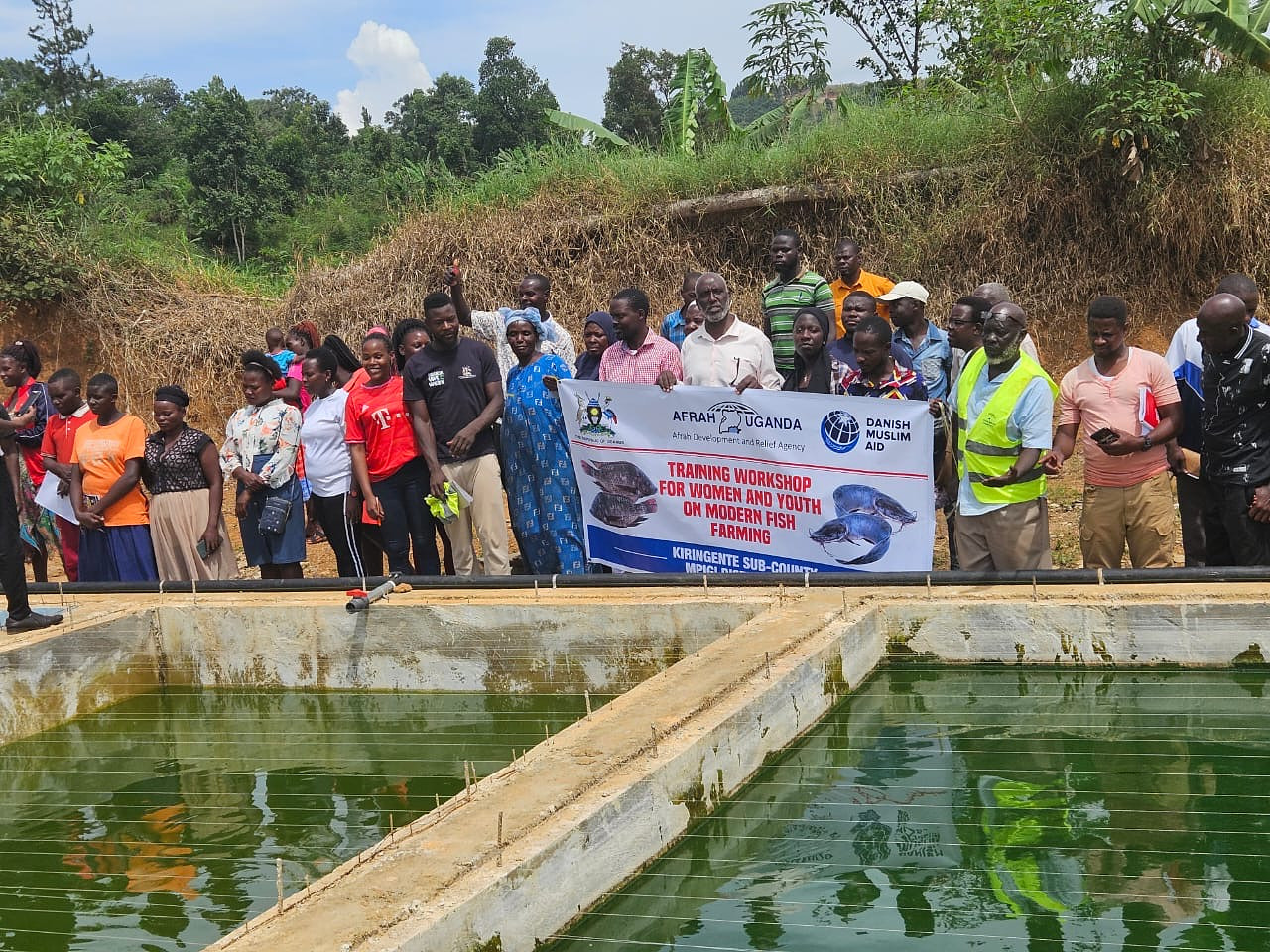
Afrah Uganda and Danish Muslim Aid Implement Fish farming projects that benefit the local community by creating jobs and boosting the beneficiaries economy. The project focuses on establishing fish ponds, providing training on fish farming techniques, and establishing market linkages for the fish produced by the target group.
The targeted beneficiaries are provided with skills and resources to establish their own fish farms and improve their livelihoods. Beneficiaries are educated educated on sustainable fish farming techniques, including responsible water usage, feed management, and waste disposal.
During Implementation, Regular monitoring is done to assess fish farming impact and necessary adjustments to ensure its effectiveness. The community is involved in all stages of the project from planning to implementation to ensure ownership and sustainability.
Reducing poverty through poultry farming
In Afrah Poultry farming with beneficiaries aims to improve livelihoods and nutrition through income generation and food security. This involves providing beneficiaries with resources like chicks, feed, and training to establish and manage their own poultry farms. Poultry farming also has a positive impact on community development by creating jobs and promoting self-reliance
Donate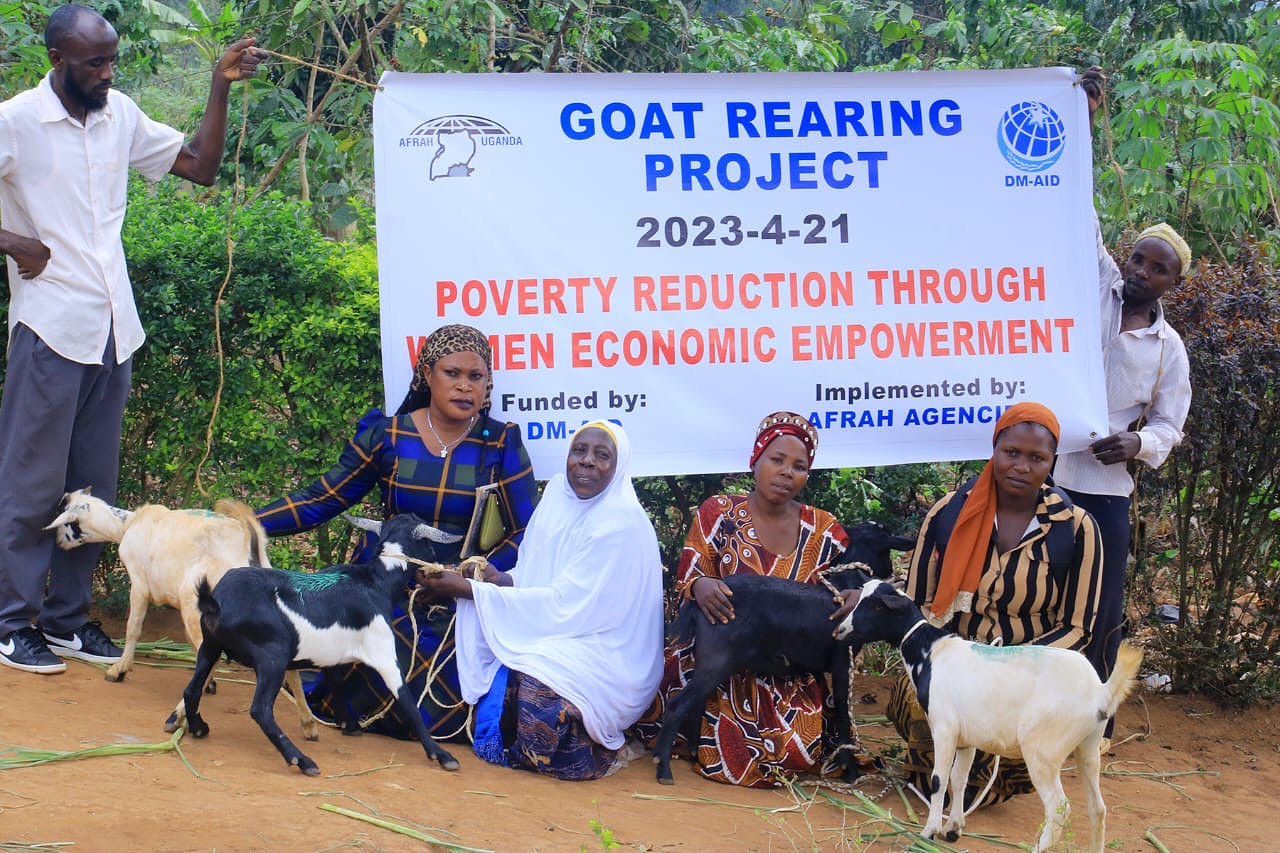
During Implementation:
Workshops and training sessions are conducted to teach modern poultry farming techniques, including nutrition, disease management, and bio security. Our Poultry programs provide farmers with quality feed, veterinary services, and other necessary inputs to support their poultry operations. Our initiatives often involve local communities to ensure that projects are tailored to their specific needs and resources.
The aim of our poultry programs is to provide a sustainable source of income for farmers, which can help improve their livelihoods and reduce poverty. Poultry Projects in Afrah aim at promoting sustainable farming practices, such as the use of chicken manure as fertilizer for crops, which helps improve soil fertility.
Women empowerment through goat rearing:
Goat rearing programs implemented by Afrah Uganda empower beneficiaries, particularly women and youth, by providing them with livestock and training to improve their livelihoods. These programs often involve initial goat donations, mentorship and training in goat management, with a focus on sustainability and community development.
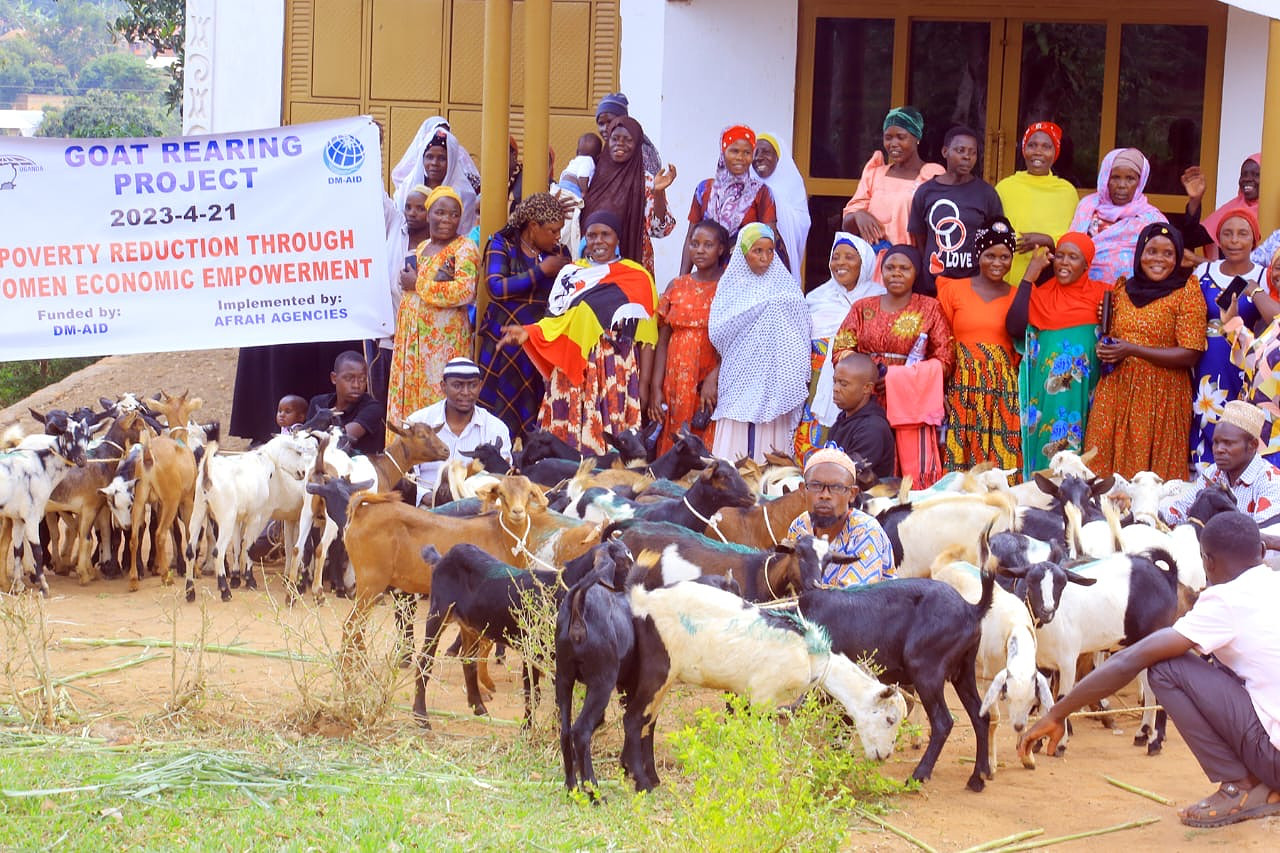
In 2023 Danish Muslim Aid and Afrah donate goats to women in Mubende. This intervention was aimed at improving the financial independence of the Muslim women in rural areas to enable them sustain their families. This is to be achieved in the long run. Afrah gave 420 goats to 210 female headed households in Mubende with each household receiving 2 female hybrid goats. The women have had the goats for a period of 8 months, some have given birth to two kids each, the beneficiaries are hopeful and excited that in the near future they’ll have more goats and be able to financially gain from the venture.
Afrah provided the beneficiaries with a goat rearing and business management workshop to guide them kick start goat rearing for financial benefit in the long run. Currently while they are rearing the goats and haven’t been able to financial reap from them yet, some have testified that business management skills taught during the training have been put to use in other business ventures such as using a small piece of land to grow vegetables and food crops not only for home consumption to reduce food purchase expenses but also sale and get some money to run the home. The manure from the goats is collected and used as a fertilizer in their gardens.
Improving livelihood through agricultural farming.
This project targeted 200 vulnerable families who were affected by Ebola that led to a decrease in their income, making them unable to provide for themselves and their families. The project provided the farmers with hybrid seedlings ie watermelon, tomato, bean, maize, cabbage seeds and green pepper. gardening tools like hoes, fertilizers, pesticides and pressure sprays as capital that boosted their financial status hence being able to provide and sustain their respective families. This project was very effective. Our objectives were met as most of our indicators were above 85% achieved with tangible results. Farmers were well trained in agro- practices such as best agronomical practices i.e. spacing, pest control, post harvesting handling and use of appropriated tools. Items including good hybrid seeds, fertilizers, pesticides and farm tools were delivered and distributed. The project work plan was implemented in the planned project period and items delivered as scheduled.
The community was well sensitized. Selected members of the community were trained in agricultural practices such as making leveled terraces, organic fertilizers and pesticides, best agricultural practices for the hybrid seedlings, water harvest for irrigation systems, post-harvest handling, and group marketing. The community was encouraged to form a cooperative society in order to bargain better prices for their produce
Dignified and sustainable livelihood support for the youth
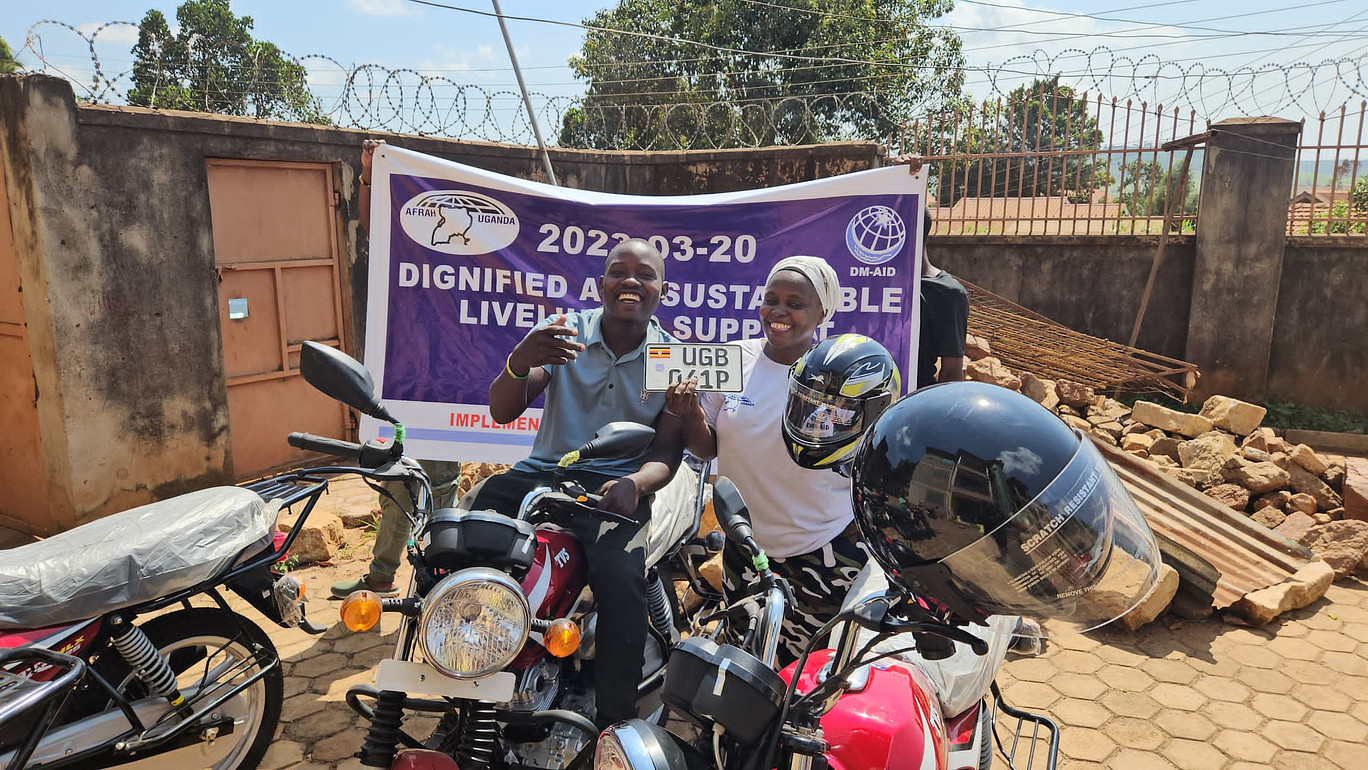
This program focuses on equipping young people with the skills, resources, and opportunities to create sustainable livelihoods and actively participate in the economy. This involves various interventions such as vocational training, access to finance, mentorship, and entrepreneurship programs to promote economic growth, reduce poverty, and build more stable and secure communities
Donate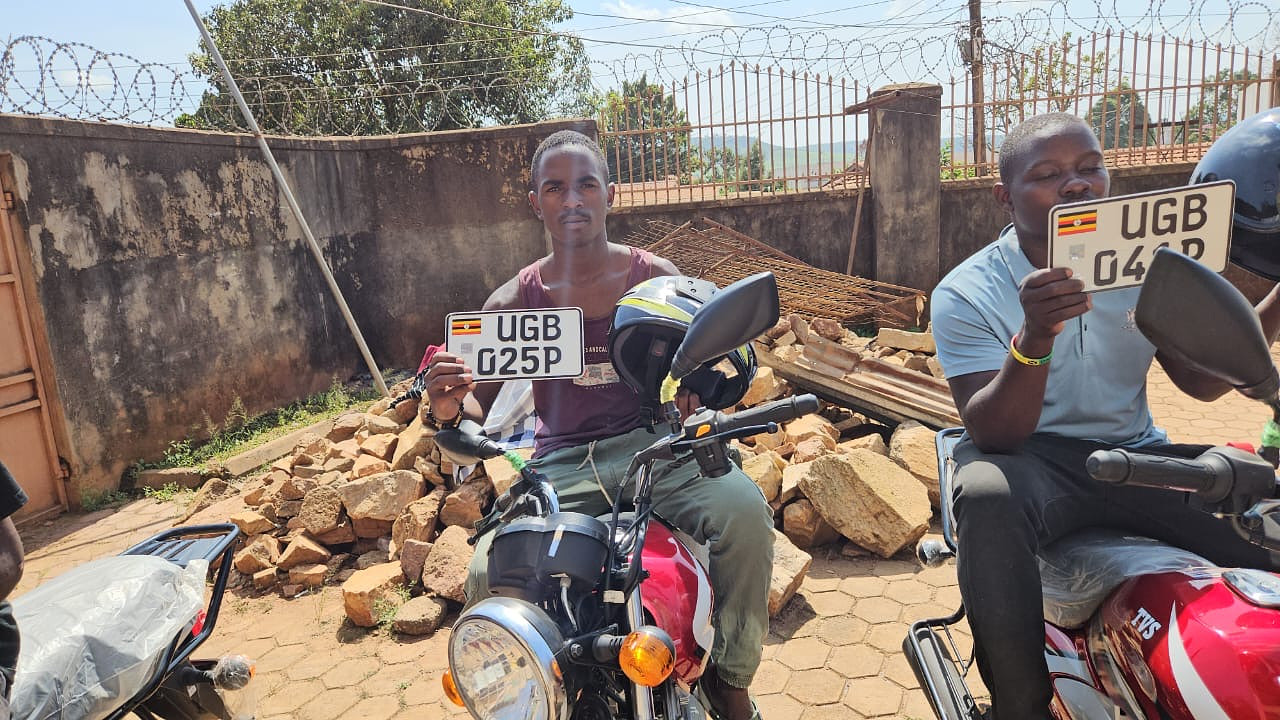
Refugee Empowerment programs
We distribute seeds and agricultural materials to beneficiaries, often as part of broader development or emergency relief program. This support helps communities improve their livelihoods, enhance food security, and build resilience to shocks With support from Danish Muslim Aid, DM-Aid, in 2024 we to implemented a project to tackle poverty in Masaka city. The project was implemented in the villages of Butaya , Kyalukobe and Nabinene in the division of Kamanya – Kabonera. The goal of this project was to improve food security and increase household incomes in the targeted areas. This was achieved through sensitisation and training of the community on ways of breaking poverty using smart agriculture; and increasing the community adoption of smart agriculture practices. We are targeted 320 direct beneficiaries. The project period was for 12 months. AFRAH proposes worked with local leaders, relevant technical staff, and the community to achieve the project objectives.
With support from Danish Muslim Aid, DM-Aid in 2023 , Afrah project provided the farmers from kassanda and Mubende with hybrid seedlings ie watermelon, tomato, bean, maize, cabbage seeds and green pepper. gardening tools like hoes, fertilizers, pesticides and pressure sprays as capital that boosted their financial status hence being able to provide and sustain their respective. They had longer life span than the other casual seeds that beneficiaries were planting before. Distribution of fertilizers among beneficiaries improved the structure of the soil and helped build good topsoil which in turn prevented soil erosion. This enabled plants to grow well and produce healthy crops which increased the amount of food produced. The project provided water pumps which farmers used for irrigation to minimize losses due to drought. Distribution of Pesticides and spray pumps helped farmers grow more food on less land by protecting crops from pests, diseases and weeds as well as raising productivity per hectare. Distribution of hoes helped farmers to shape soil, remove weeds, clear soil, and harvesting. The project has also helped the farmers to gain financial independence hence enabling them to provide and sustain their needs as well as their family members’.Our objectives were met as most of our indicators were above 85% achieved with tangible results. Farmers were well trained in agro- practices such as best agronomical practices i.e. spacing, pest control, post harvesting handling and use of appropriated tools. Items including good hybrid seeds, fertilizers, pesticides and farm tools were delivered and distributed. The project work plan was implemented in the planned project period and items delivered as scheduled.


